

5 Ways to Protect Your Business From Slip & Fall Claims

Slip and fall claims are one of the most frequent—and costly—legal risks facing snow and ice contractors today. A single incident can damage your reputation, drain your resources, and threaten your long-term stability.

The good news? With the right systems in place, you can dramatically reduce your liability, protect your clients, and safeguard your business.

Below are five proven strategies every contractor should implement before the next storm hits.

1. Be Prepared Before the Season Starts

Your best defense against slip and fall risks begins long before the first snowfall. Pre-season preparation ensures your team knows exactly what to do, where to go, and what to expect—no surprises, no gaps.

Successful preparation includes:

  • Building smart routes based on the square footage and equipment capacity of each site
  • Providing crews with detailed, customer-verified site maps
  • Ensuring nothing is missed—especially sidewalks, entrances, and other high-risk areas
  • Sharing route and access information across your team so backup crews can jump in when needed

Redundancy = reliability. When your systems don’t depend on a single person, service remains consistent even when plans change.

2. Document Every Site Visit—Every Time

When a slip and fall claim arises, the burden of proof often rests on the contractor. Without documentation, even a perfectly serviced site becomes difficult to defend.

Every contractor should use tools that:

  • Function well in harsh winter conditions
  • Allow employees and subcontractors to document consistently
  • Capture tamper-proof information like GPS data and timestamps

Documentation shouldn’t be an afterthought—it should be built into the job.

3. Collect the Right Data, Not Just Some Data

To properly defend your work, you need a complete picture of every service visit. That includes:

  • Weather conditions
  • Before and after photos—from multiple angles
  • GPS-tracked crew movement
  • Time-stamped activity logs
  • Crew details: who was there, when, and what was completed

“Before” photos are helpful, but strong, detailed “after” photos are often the most important part of your defense.

4. Store Your Data Safely and Centrally

One of the biggest risks contractors face is losing the evidence they worked hard to collect.

Your documentation should never live on someone’s phone, get buried in emails, or disappear when an employee leaves. A secure, backed-up system should automatically store:

  • Photos
  • GPS logs
  • Timesheets
  • Service logs
  • Weather data
  • Job notes and communication

When everything is centralized, you can pull up proof by site, date, crew, or storm—within seconds.

5. Know Your Record Retention Timeline

Slip and fall claims can surface years after an incident. In many areas:

  • Claims are often filed 2–4 years after the event
  • Legal proceedings can continue well beyond that
  • A fall from winter 2024 could still be an issue in 2028

If you can’t access your records when you need them, you can’t defend your work—no matter how well it was done.

Long-term, secure storage isn’t optional. It’s a core business requirement.

The Bottom Line

Documenting your work is as important—if not more important—than doing the work itself. The stronger your documentation, the stronger your defense.

Tools like Yeti Software help contractors automate the entire process—routes, logs, photos, timestamps, GPS data, and storage—so your business stays protected all winter long.

Want to See How Yeti Helps You Protect Your Business?

Learn how Yeti Software can streamline documentation, strengthen your legal defense, and eliminate the risk of missing critical data.
👉 Book a Free Demo Today or Sign up for a FREE Test Drive account
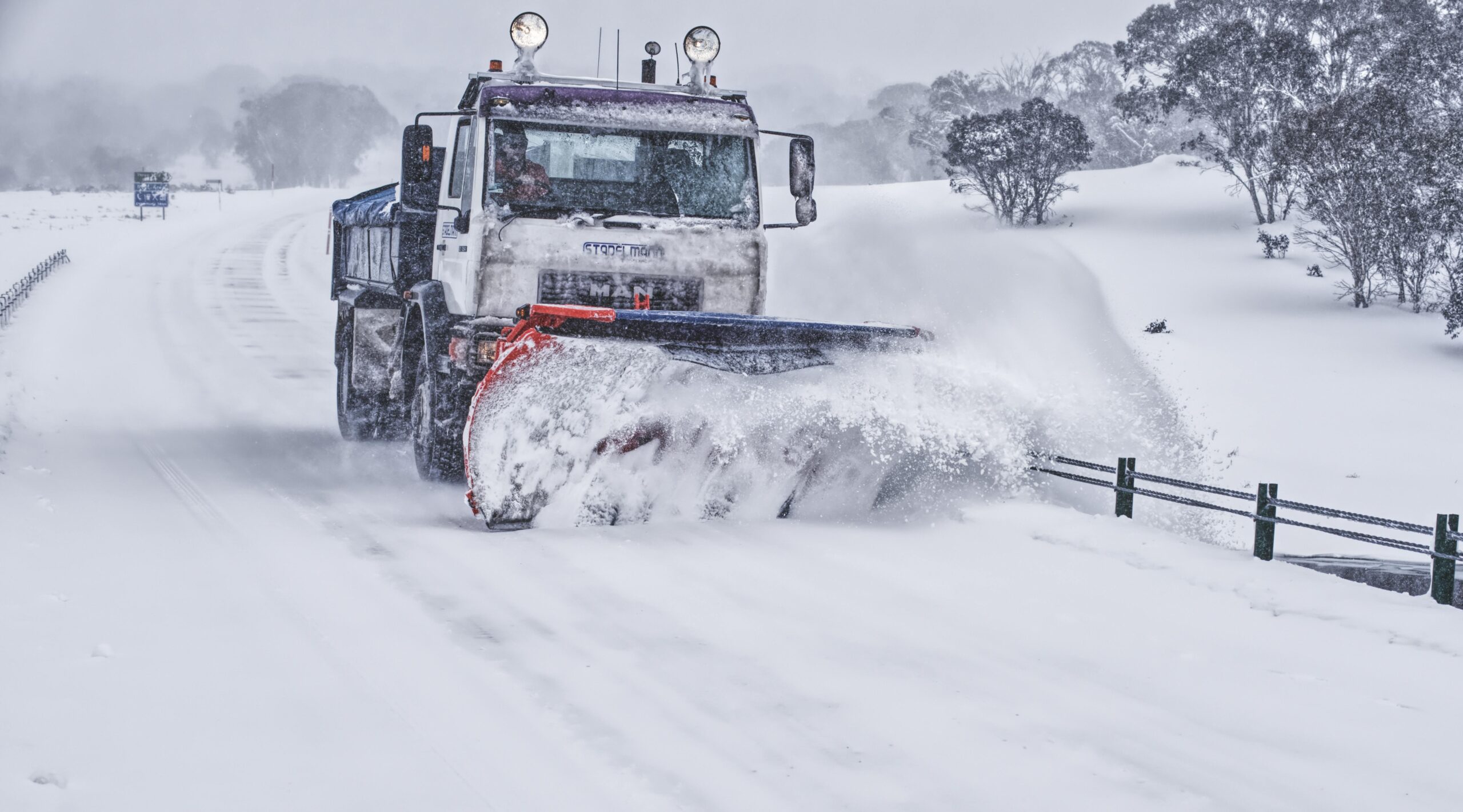
Why Snow Removal Contractors Lose Money Without Route Optimization

How inefficiencies eat into profit—and how the right software helps maximize revenue per route.

Snow removal is a high-pressure, low-margin business. When the snow hits, every minute matters. Any wasted travel, unclear instructions, or inefficient routing directly cuts into your profit. Many contractors lose money not because of lack of work—but because their routes aren’t optimized.

Below is a breakdown of how inefficiencies drain your revenue and how route optimization tools like Yeti Software fix these issues.

How Inefficient Routes Kill Profit

1. Extra Time on the Road = Higher Fuel & Labor Costs

If crews are zig-zagging, backtracking, or servicing properties in the wrong order, you’re wasting: fuel, paid labor hours, equipment life and time that could be spent on billable work.

Even a 10–15% routing inefficiency can cost thousands during a single snow event.

2. Missed Service Windows Lead to Customer Complaints

Poorly planned routes lead to late arrivals, inconsistent service, increased slip-and-fall risk and unhappy customers. This hurts both revenue and reputation.

3. Crews Make Mistakes When Instructions Aren’t Clear

Unorganized job details cause missed lanes or sidewalks, incomplete lots, and duplicate visits. Every correction costs time and money.

4. Dispatchers Waste Time Micromanaging

Phone calls, texts, and guesswork slow everything down. During a storm, this chaos creates bottlenecks and delays across the entire operation.

5. You Can’t Accurately Track Equipment & Production Rates

Without accurate tracking time on site, operator efficiency and equipment performance you can’t improve margins or plan profitable routes.

Where Route Optimization Software Comes In

Purpose-built tools like Yeti Software streamline planning, routing, dispatching, and tracking—so you eliminate waste and maximize revenue.

1. Smarter Route Planning Based on Real Data

Yeti Software helps you build well-structured, efficient routes by using your site list, equipment types, crew assignments, production rates, and service priorities. This reduces unnecessary drive time, fuel consumption, and labor hours, which improves margins without guesswork.

2. Real-Time Adjustments During a Storm

Because weather and conditions shift quickly, Yeti Software lets you reassign properties, redirect crews, track progress live, and see what’s completed versus what still needs attention. This keeps you ahead of SLAs and helps prevent costly service errors.

3. Clear, Organized Job Instructions for Every Operator

Operators receive everything they need in one place, including an ordered route, property instructions, required equipment, notes and hazards, photos, and simple time-tracking tools. This reduces confusion, speeds up production, and minimizes mistakes.

4. Visibility Into Equipment Usage & Production Metrics

Yeti Software gives you clear insight into time on site, equipment usage, labor efficiency, and overall route performance. These metrics help you spot inefficiencies, price work more accurately, and plan better routes for future storms.

5. Higher Capacity Without Adding More Equipment

With more organized routes and smoother crew flow, contractors can add more properties to existing routes, increase route density, boost revenue per event, and scale with confidence. Better planning and real-time visibility allow you to grow capacity without increasing overhead.

The Bottom Line

Snow removal is a volume-based business. Profit depends on how efficiently your crews move. Contractors running outdated routing processes could lose money every season.

Ready to eliminate inefficiencies and maximize your route profitability?
👉 Try Yeti free today or book a live demo to see how route optimization works in real time.